
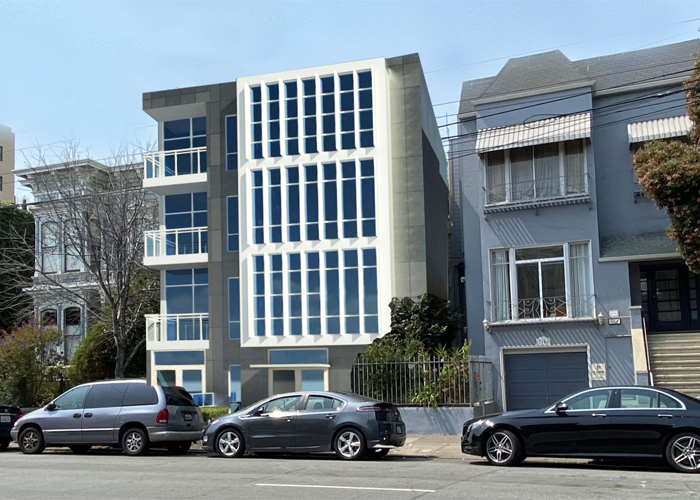
Summary: A multi-family designer improves residential complex planning by making movement simple, privacy clear, and shared spaces easy to use. The blog explains how smart layout planning reduces crowding, improves lift flow, separates service paths, and creates comfortable homes. It also shows how structured design supports a better living experience and long-term building efficiency in large housing projects.
A San Francisco multi-family designer helps plan large residential buildings in a way that makes life simple, clear, and easy for people who live there every day. Space planning is not only about placing rooms inside a building. It is about making sure people can move without confusion, find their homes easily, and use shared areas in a smooth way. It also helps reduce crowding, avoids wasted space, and supports better daily living for everyone inside the building.
Making Movement Inside the Building Simple and Clear
One of the most important parts of space planning is understanding how people move inside a building every day. A multi-family designer carefully studies how residents enter the building, leave their homes, and move between different areas during busy and quiet times. This helps in creating a flow that feels natural and easy to follow.
Instead of placing lifts, corridors, and entry points randomly, everything is planned in a simple and smart way. The goal is to reduce walking distance, avoid confusion, and make sure people do not gather in crowded spots. Even small changes in layout can improve how people move through the building.
When movement is planned well, residents do not feel blocked or stuck in one area. They can go from one place to another in a smooth way. This makes the building feel more open and easy to use, even if it is large and has many floors.
Creating Privacy in the Right Way
Privacy is very important in residential buildings because people need calm spaces where they can rest without disturbance. A good design makes sure that private homes stay separate from busy shared areas.
A multi-family designer places shared areas like entry lobbies, sitting zones, and activity rooms in one section of the building, while private homes are placed in quieter sections. This helps reduce noise and prevents too much movement near living spaces.
This simple planning step makes a big difference in daily life. People feel more relaxed inside their homes, and they are not disturbed by constant movement outside their doors. Even in large buildings, this creates a peaceful living experience.
Shared Areas That Are Easy to Use
Shared spaces are an important part of modern residential buildings. These may include seating areas, fitness rooms, meeting spaces, or play zones. However, these spaces only work well if people can reach them easily and feel comfortable using them.
A multi-family designer places shared spaces in locations where people naturally pass by during daily movement. This increases usage without forcing people to take long or confusing routes. It also helps avoid situations where shared spaces remain empty or underused.
The size and shape of these areas are also carefully planned. If a space is too large, it feels empty. If it is too small, it feels crowded. Good planning keeps a balance so the space feels right for real use.
Easy Movement Between Floors
In tall residential buildings, people move between floors many times a day using lifts and stairs. If this system is not planned well, it can lead to waiting, crowding, and frustration during busy hours.
A multi-family designer studies how people use lifts and stairs at different times of the day. Based on this study, lift locations are placed in smart positions so that residents do not travel long distances just to reach them. Staircases are also placed in easy-to-reach spots across the building.
This planning helps reduce waiting time and keeps movement smooth even during peak hours. It also improves safety because people always have clear and simple ways to move between floors.
Designing Homes That Feel Comfortable
Each home inside a residential complex must feel easy to live in. This means rooms should be arranged in a way that supports daily activities without confusion. A multi-family designer carefully plans how people move from one room to another so that the flow feels natural.
Storage areas are placed in useful locations so that residents can keep things organized without difficulty. Kitchen, living room, and bedroom areas are also arranged in a simple order that supports daily life.
Light and fresh air are also considered during planning. Homes feel better when they have natural light and open spaces. Good planning helps create homes that feel simple, comfortable, and easy to use every day.
Ending Note:
Good space planning makes residential buildings simple to use, easy to move through, and comfortable to live in. A San Francisco multi-family designer improves this by studying how people live and move inside large housing complexes and then creating clear, practical layouts that reduce confusion and improve daily life. Nazeri + Associates Architects Inc follows this careful planning approach to design better residential environments. The work is specialized in multi-family residential projects, where the focus is on clear movement, simple layouts, and comfortable living spaces that support real daily use. This approach helps create buildings that feel natural, organized, and easy for people of all ages to live in.
For projects that need better structure, smoother movement, and stronger planning clarity, working with an experienced design team can help improve outcomes from the very beginning.
FAQs:
- How does a multi-family designer improve residential space planning?
A multi-family designer improves planning by organizing movement paths, separating private and shared areas, and ensuring smooth flow across floors, making large residential complexes easier and more comfortable to live in daily.
- Why is movement planning important in residential buildings?
Movement planning reduces crowding, shortens walking routes, and avoids confusion inside buildings. It helps residents move easily between homes, shared spaces, and entry points without delays or stress during busy hours.
- How are shared spaces planned in multi-family housing?
Shared spaces are placed in areas where residents naturally pass through. This makes them easy to access, encourages regular use, and avoids isolation or underuse of community areas inside the building.
- What role does privacy play in residential design?
Privacy ensures quiet living areas stay away from busy zones. Proper zoning reduces noise, limits disturbance, and creates calm home environments where residents feel relaxed and comfortable.
- How does Nazeri + Associates Architects Inc approach these designs?
Nazeri + Associates Architects Inc uses structured planning methods focused on clear layouts, smooth circulation, and practical residential design solutions for better long-term living experiences.